Language Learning Materials — for Complete and Active Language Learning
Learn through real conversations — active, social, and engaging from day one.
A complete, partner-led language learning system to practise together — at home, independently, or with a teacher.
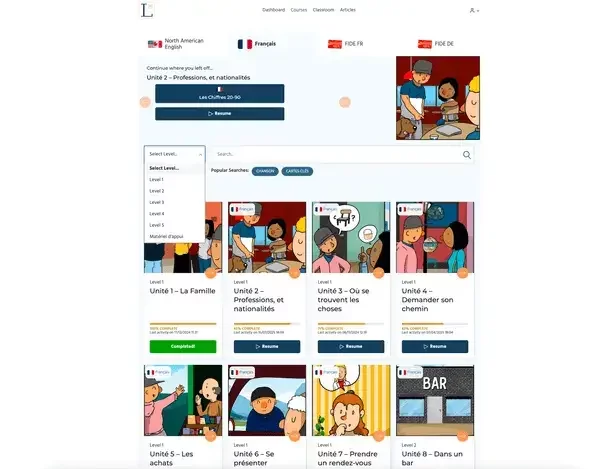
Complete Language Learning Materials for Learners and Teachers
You open a lesson and work through it together. One person listens, the other responds. You follow clear prompts, switch roles, and use the language actively throughout the session, building real communication skills through guided interaction.
Each activity is structured step by step, so you always know what to do next. You spend more time speaking and listening than studying rules, allowing communication skills to develop naturally through use.
No prior learning history or knowledge of the target language is required. The materials show you how to listen, respond, and support each other from the very beginning, making it possible to learn a new language through guided practice rather than memorisation.
How These Language Learning Resources Work
You learn by using the language in conversation. Each session is built around guided interaction, so you know exactly what to do and how to work together.
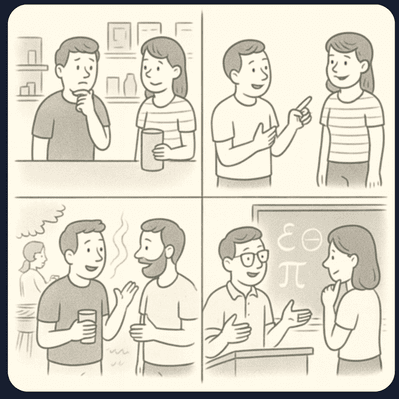
You open an activity and follow clear instructions:
– One person speaks while the other listens, then you switch roles. Speaking and listening are trained together in every exercise.
– Each activity tells you who speaks, who listens, and what to respond, so the interaction stays structured and focused.
– You work in pairs or small groups, using prompts and audio to guide the conversation.
– When a teacher is present, they guide the process. When they are not, the structure of the materials leads the session.
– The focus is always on using the language to communicate, not on isolated rules or theory.
This step-by-step structure makes it easy to learn together at home, in a homeschooling setting, or in class, while steadily building confidence and real communication ability.
Explore the Exercises Before Buying
Try Real Language Learning — Free Lesson Examples
Explore a selection of free language learning resources before purchasing the full course. These lesson examples allow language learners and teachers to understand how the materials work in practice.
Included sample materials:
- Level 1 lesson examples focusing on basics, listening, and simple conversation
- Level 2 lesson examples with more complex interaction and expression
- Cue card activities that guide conversation and pair work
- Writing tasks that support speaking and help structure ideas
These sample lessons reflect the structure and learning experience of the full course and help you decide whether the materials fit your learning or teaching context.

Sample materials
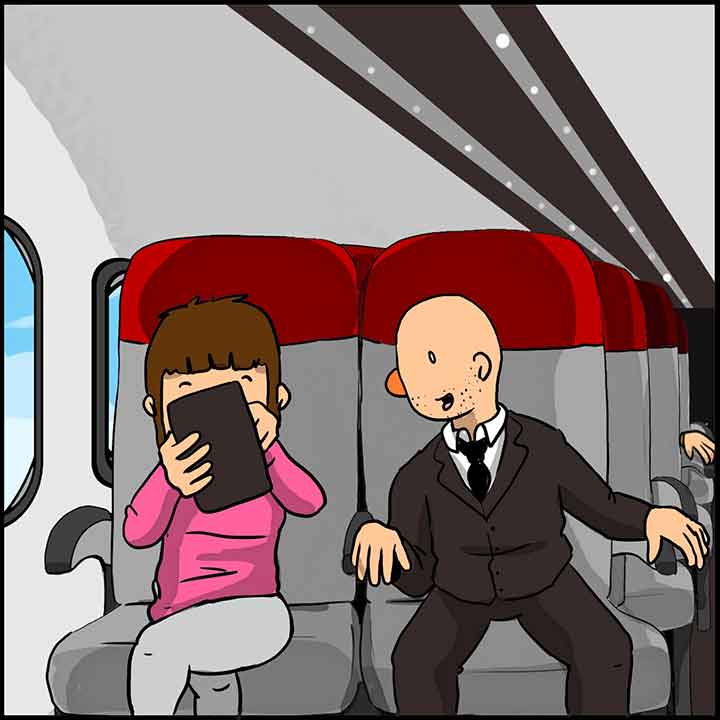
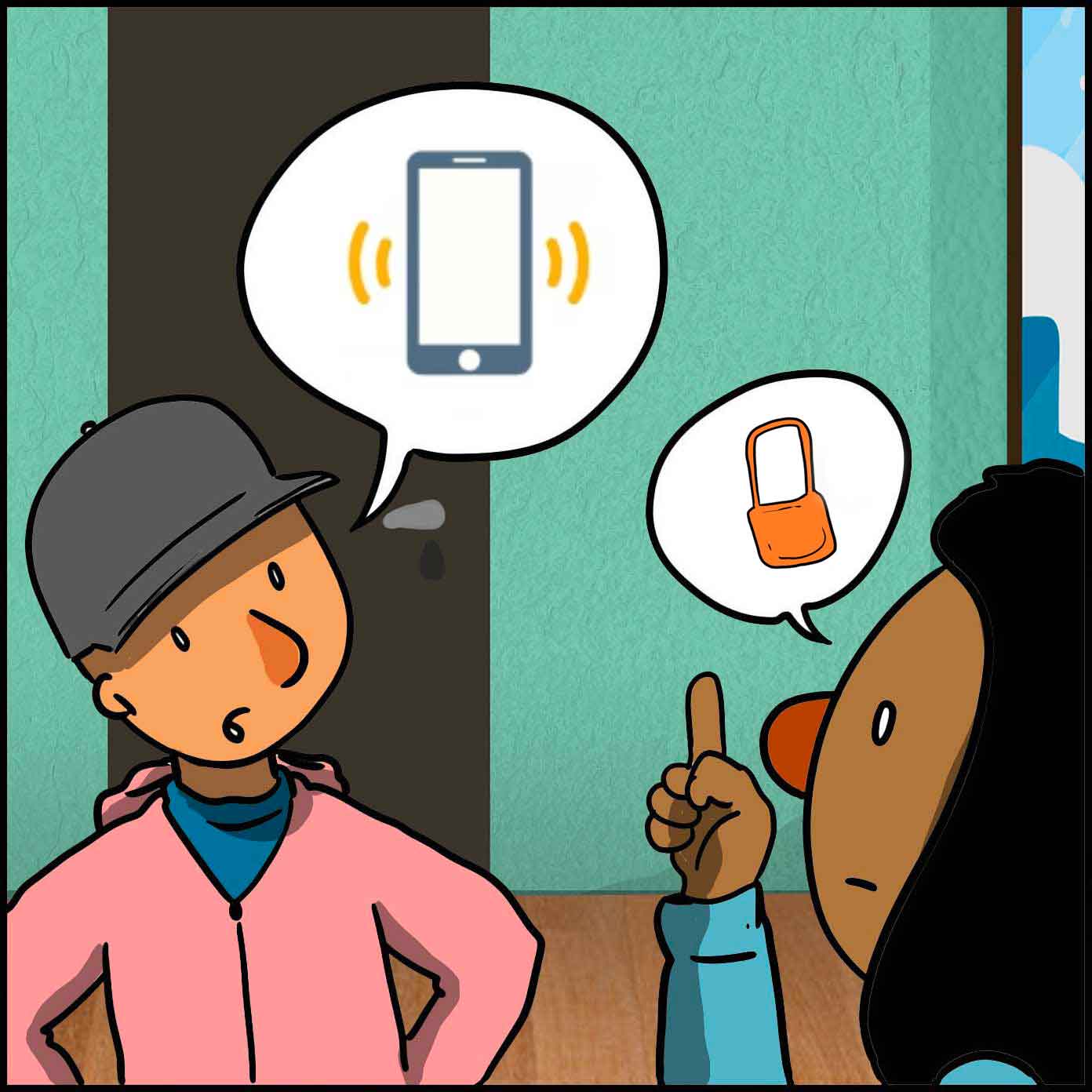
A1 exercises aimed at helping people discuss positional vocabulary.
A Different Kind of Language Learning App
These materials are not a typical Language Learning App.
Unlike traditional apps, learners engage in shared practice that builds understanding, fluency, confidence — and keeps learning fun and motivating over time.
Language learners:
- Practise pronunciation, speaking, and conversation naturally
- Speak with other learners or a teacher
- Listen actively to build real comprehension
- Work with audio featuring native speakers
Learn a New Language Through Conversation
You learn the language by using it in real conversations and everyday situations. You speak, listen, and respond with another person, and meaning develops through interaction.
Grammar appears when it is needed. You notice patterns together, clarify meaning together, and use grammar as a tool to make yourself understood — not as a starting point or a set of isolated rules.
What You Get
When you open the materials for a session, you work with:
- Clear, structured lessons that guide the interaction step by step
- Audio you listen to together to support pronunciation and comprehension
- Conversation activities that tell you who speaks, who listens, and when to respond
- Vocabulary presented in context, ready to be used in conversation
- Optional guidance for teachers or group facilitators
- Online access to all materials, with examples available before purchase
Everything is designed to support active use of the language with another person, whether you are learning at home, in a group, or with a teacher.

A complete, partner-led language learning system to practise together — at home, independently, or with a teacher.
Language levels covered
Levels from A1 (Beginner) to B2 (Upper Intermediate).
We teach all CEFR levels from A1 (Beginner) to B2 (Upper Intermediate).
Your course starts with a placement test so we can match you with the right plan from day one.
FAQs